
St Frideswide's Way
The St Frideswide's Way (56 miles in 4 walking days)
The Saint Frideswide’s Way is an officially accredited Camino pilgrim route from Oxford to Reading. It forms part of the Camino Inglés, a growing network of English pilgrim routes all pointing towards Spain.
Who was St Frideswide?
St Frideswide, circa 650 to 727, is the patron saint of Oxford and Oxford University. She was an Anglo-Saxon princess and the first abbess of St Frideswide’s monastery which is now Christ Church Cathedral. Legend has it that she escaped from a suitor by settling in Binsey, just north of Oxford, where she stayed for three years. To avoid fetching water, she prayed to God and a well sprang up. This well had healing properties. She went on to found her Augustinian priory in Oxford. She was made a saint by the Archbishop of Canterbury in 1440 and her feast day is 18 October.
What you should know about the Path
The St Fridewide’s Way loosely follows the route of the Thames Path National Trail through gentle countryside on the edge of the Chiltern Hills, ending at the historic Reading Abbey. There are a number of detours from the Thames Path taking in more than 40 churches along the way. This adds a further 16 miles to what would otherwise have been a 40 mile walk.
The walk is mostly flat and easy, with just one short climb of around 100 feet between Goring and Pangbourne, offering beautiful views across the Thames valley.
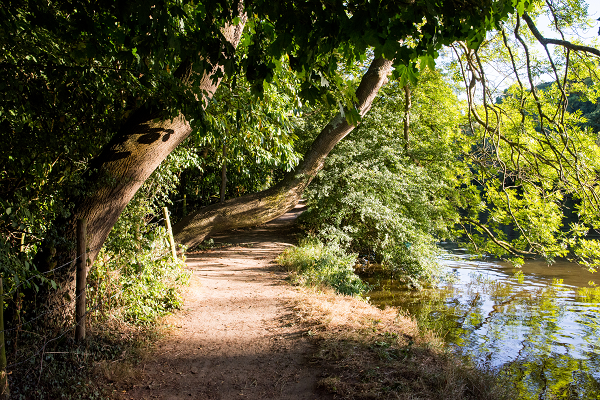
The Thames Path is clearly marked and keeps close to the river for much of the way. Walkers will pass through welcoming villages and church communities, each with their own story and character.

Itinerary
Day 0 Arrive at Oxford. Visit St Frideswide’s Church & St Mary of Antioch, Binsey 4 miles
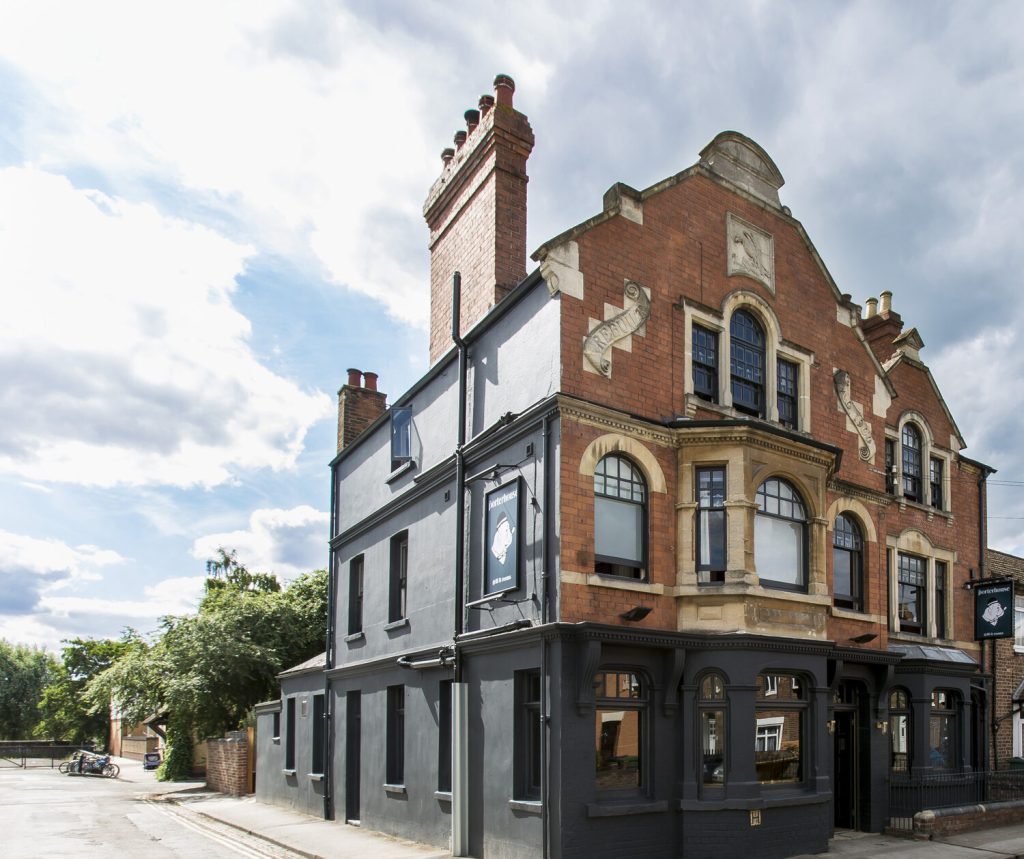
Arrive at your leisure in Oxford and stay at The Porterhouse, a pub with rooms in a quiet residential area close to the Thames and also the train station. It’s just a 5 minute walk to St Frideswide’s Church, the official start of the walk.
Ideally you’ll arrive early enough to start your pligrimage by walking the 2 miles up river up to visit the shrine of St Mary at Binsey, the site of St Frideswide’s Well.
If you have more time then you can explore the sights of Oxford: the Bodleian Library which houses every single book ever published in the UK, Magdalen College, the Radcliffe Camera, and the Ashmolean Museum (free admission).
Day 1 Oxford to Abingdon 12 miles
Your first full day of walking. A short walk into Oxford and you’ll pass Christ Church Cathedral, built on the site of a monastery where St Frideswide was the first abbess.
From there you soon drop down to the Thames, where you will inevitably see rowing crews exercising.
Just south of Oxford you’ll leave the river to visit the romanesque church of St Mary’s in Iffley. A detour from the Thames takes you via residential roads to Newman College in Littlemore (Henry Newman was an Oxford scholar) and then rejoining the Thames at Sandford Lock where, if it’s not too early, you can have lunch at the Kings Arms.
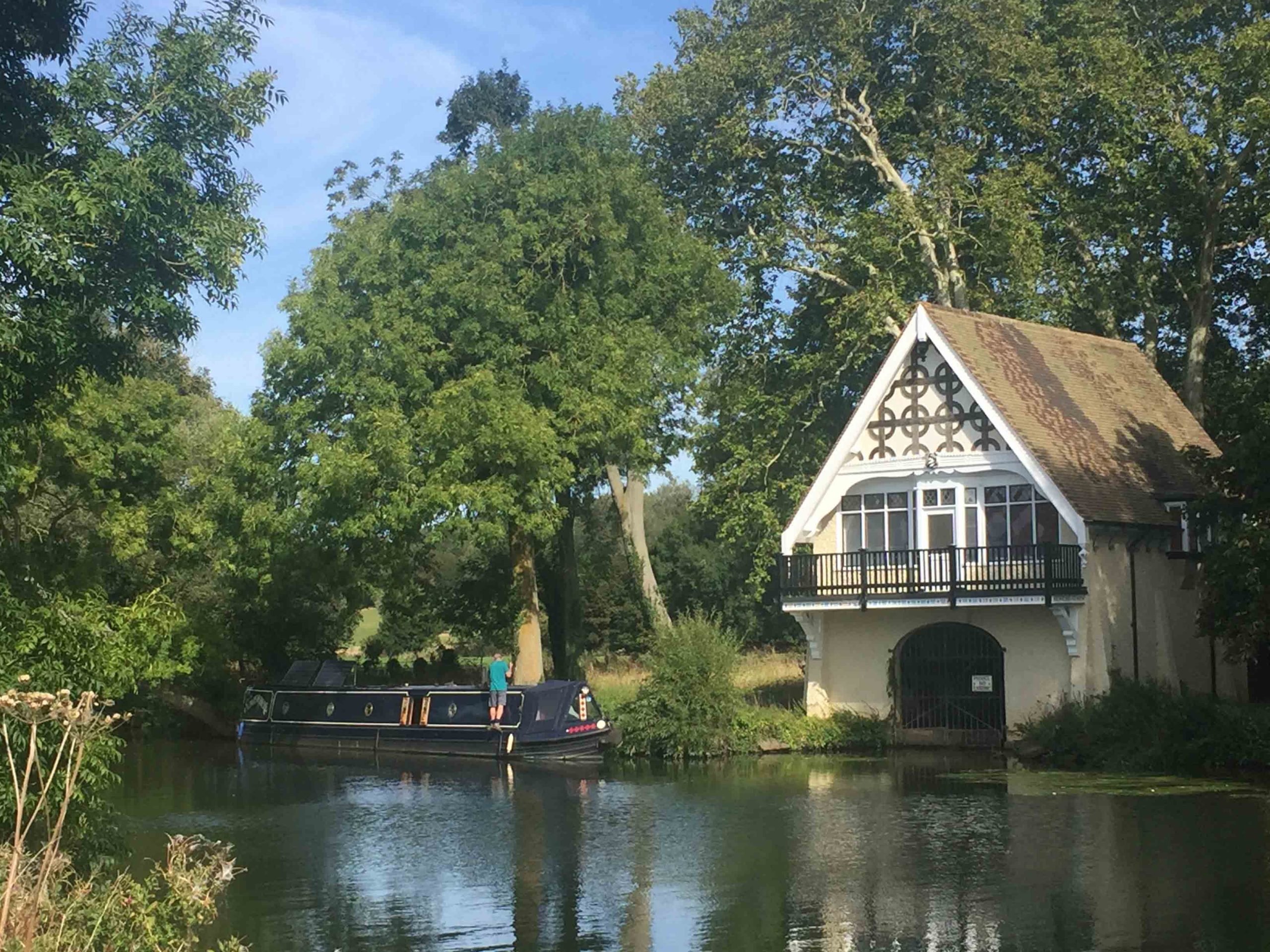
Beyond Sandford the suburbs of Oxford are now far behind and the Path becomes very quiet. You will pass the boat house of Radley College where you will start your next detour: this time to Radley, home of the famous school and the church of St James the Great.
And finally to Abingdon via farm roads and a cycle path.
Abingdon is a historic market town. A Benedictine abbey was founded here as far back as the 7th century although there’s little left of it now.
There are numerous shops, hotels, restaurants, bars and cafes. It also marks the end point of “Swan Upping” where new-born swans of the River Thames are divided and marked between ancient companies. Abingdon’s more recent claim to fame is as home to MG cars.
The pilgrimage includes a visit to St Helen’s. Even if not on a pilgrimage its worth a visit if only for the collection of almshouses next door. A walk down the Georgian East St Helen’s Street is a delight.
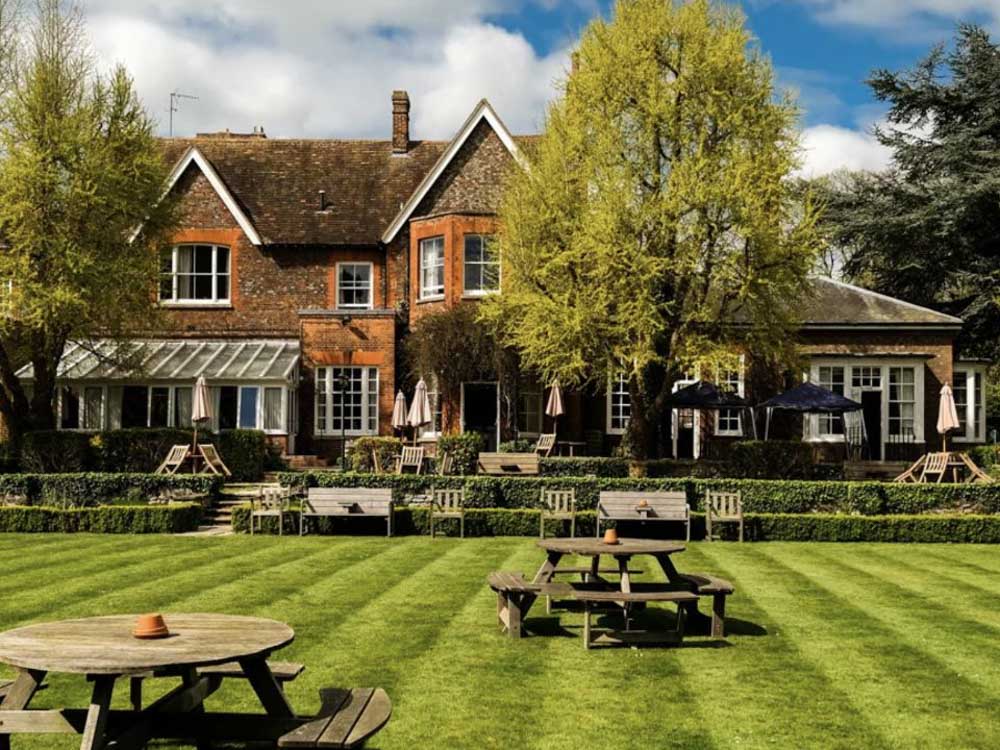
You will stay at Cosener’s House which sits in the beautiful grounds of the Abbey on the right bank of the Thames a few metres upstream from the bridge. The house takes its name from Cuisinier, the person responsible for feeding the monks.
Dinner can be enjoyed at the hotel or, alternatively, in one of the many restaurants in the town.
Day 2 Abingdon to Dorchester on Thames 12 miles
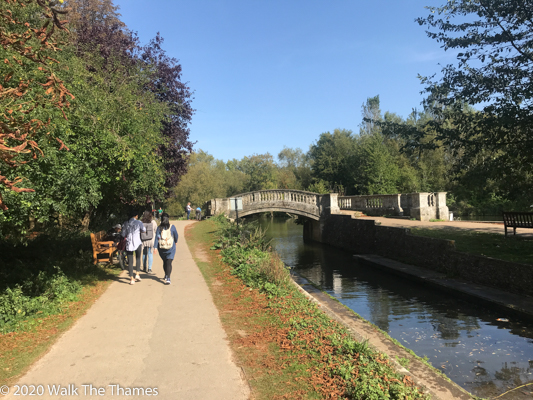
Leaving Abingdon you follow the left bank of the Thames to Culham Cut, a manmade channel built to circumvent the otherwise difficult navigation of the natural Thames. Cross over the cut and cross the river at the delightful Sutton Pools and you will arrive in Sutton Courtenay. At the Church of All Saints you will find George Orwell’s grave as well as Herbert Asquith, one time Liberal Prime Minister.
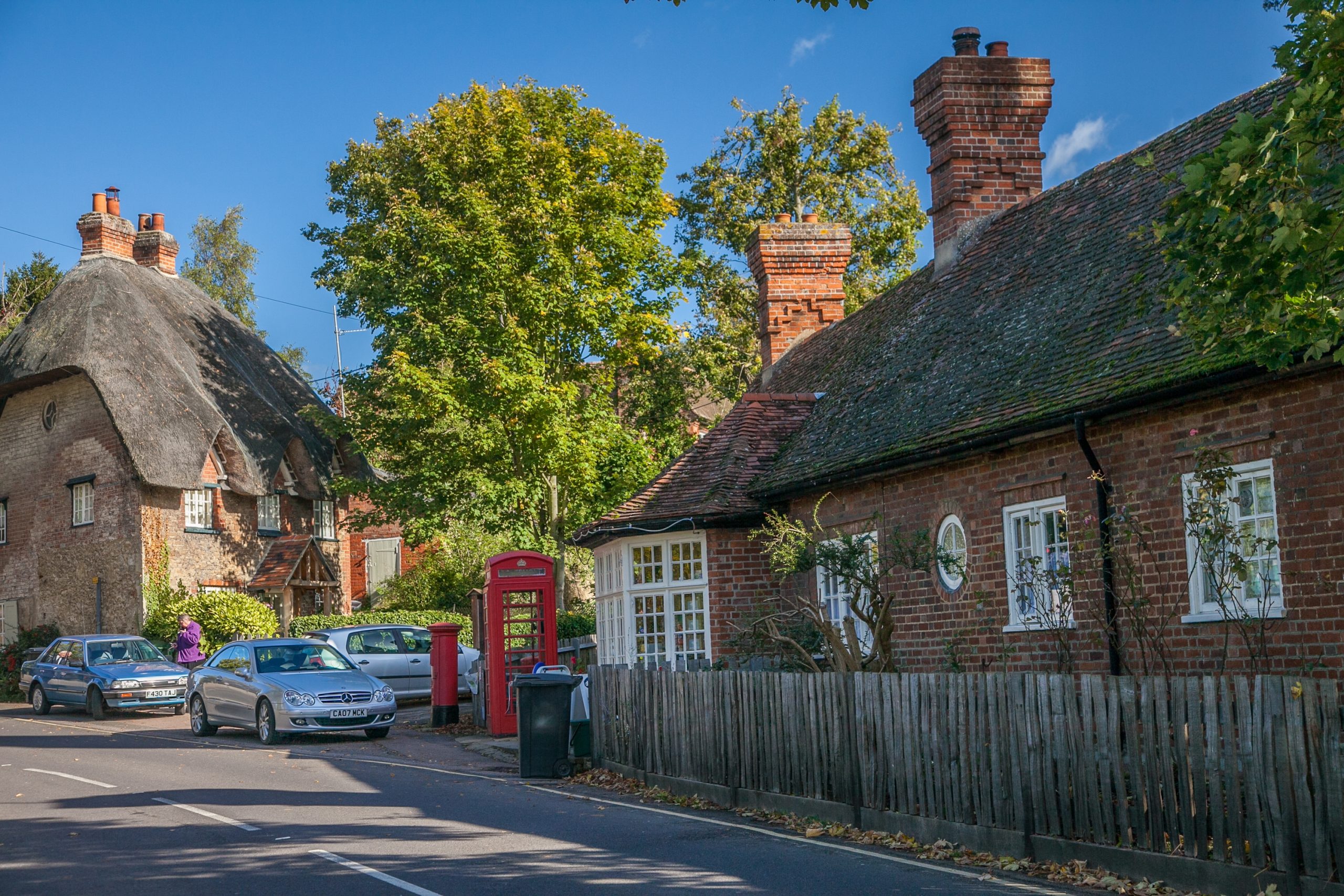
The route follows the south side of the river using farm tracks and quiet roads through the villages of Appleford, Long Wittenham and Clifton Hampden where the route rejoins the Thames Path.
Dorchester soon appears across the fields to your left but, before you leave the Path for your hotel, you may be tempted to make a short detour to Little Wittenham which lies at the foot of Wittenham Clumps, a pair of modest hills of almost 400 feet and the highest land around.
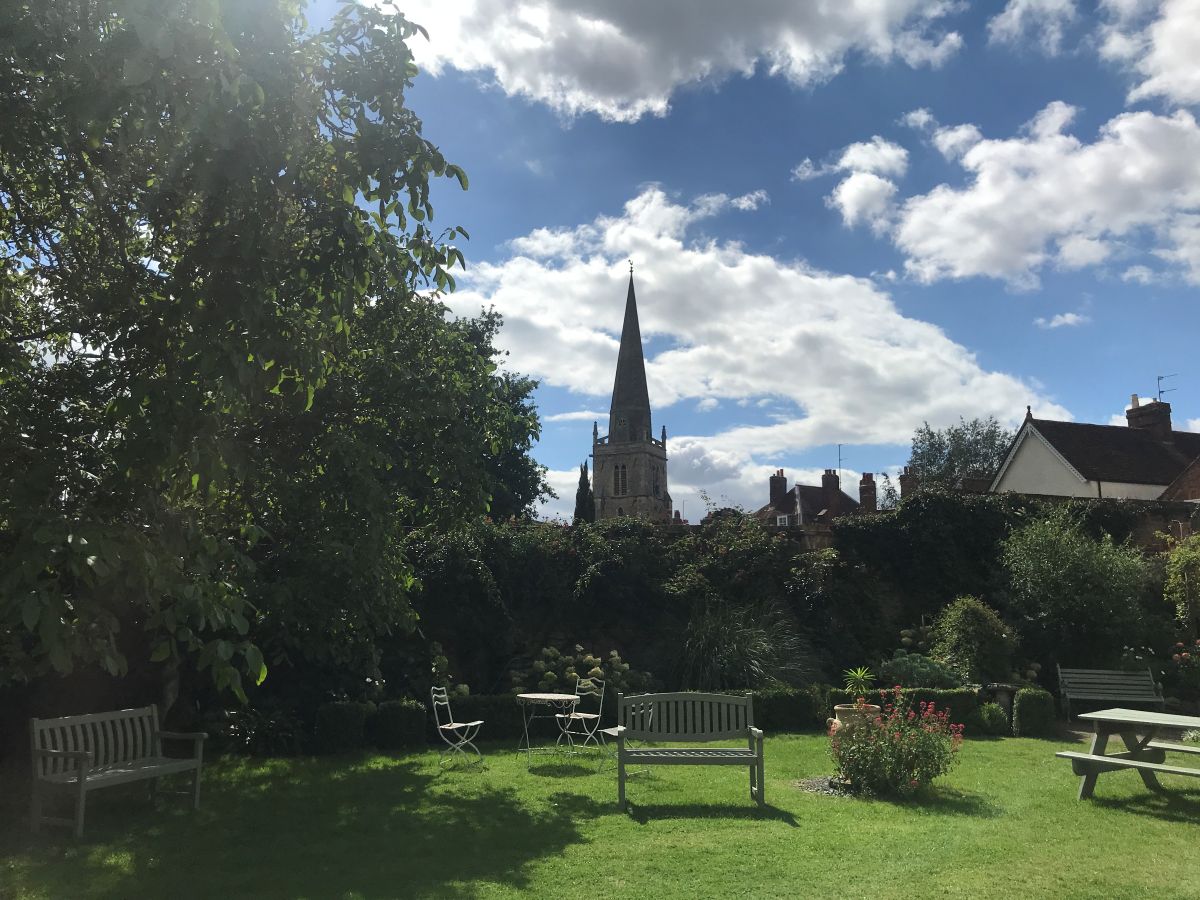
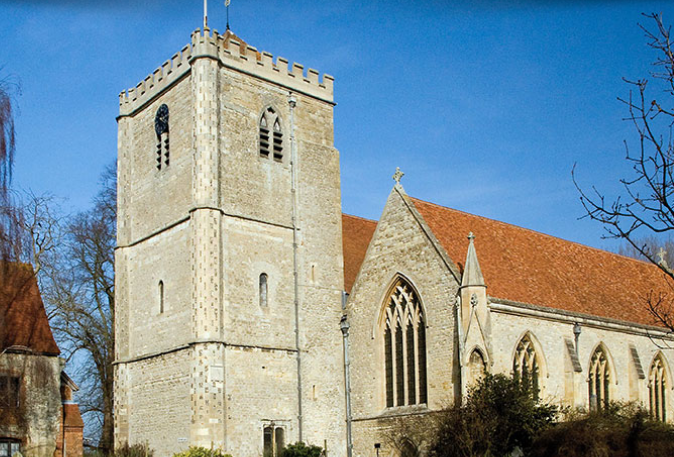
Dorchester is a beautiful village. It was the first capital of Wessex before Winchester. An Abbey was founded in the middle ages and the current church dates back 600 years. The Abbey is open every day for visitors and there is a museum here too. The Abbey holds classical music concerts at various times throughout the year.
You will be staying at The White Hart, a 16th century coaching inn in the heart of the village and close to the Abbey.
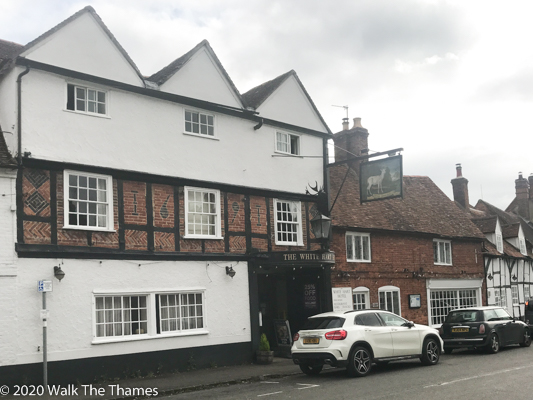
Day 3 Dorchester on Thames to Goring 13 miles
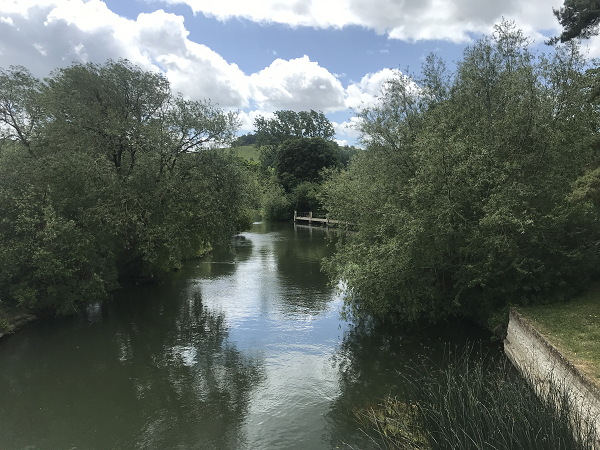
Instead of going back to the river head you will strike out across farmland to Warborough and the Church of St Laurence. Then back to the river at Benson where the Thames Path takes you dramatically across the newly (2026) refurbished weir.
And so to Wallingford, hopefully in time for lunch. The castle here, of which the ruins remain, was an important stronghold during the wars between King Stephen and Empress Matilda. Why not stop at the museum as well as the three chirches here?
From Wallingford, after a brief visit to Crowmarsh Gifford across the bridge, you’ll be on another National Trail. This is The Ridgeway which, for teh next few miles, follows the opposite bank of the Thames to the Thames Path. It’s a nicer alternative and takes you past three churches, two villages and one pub. The first of these churches is the redundant St John the Baptist and is a must-see.
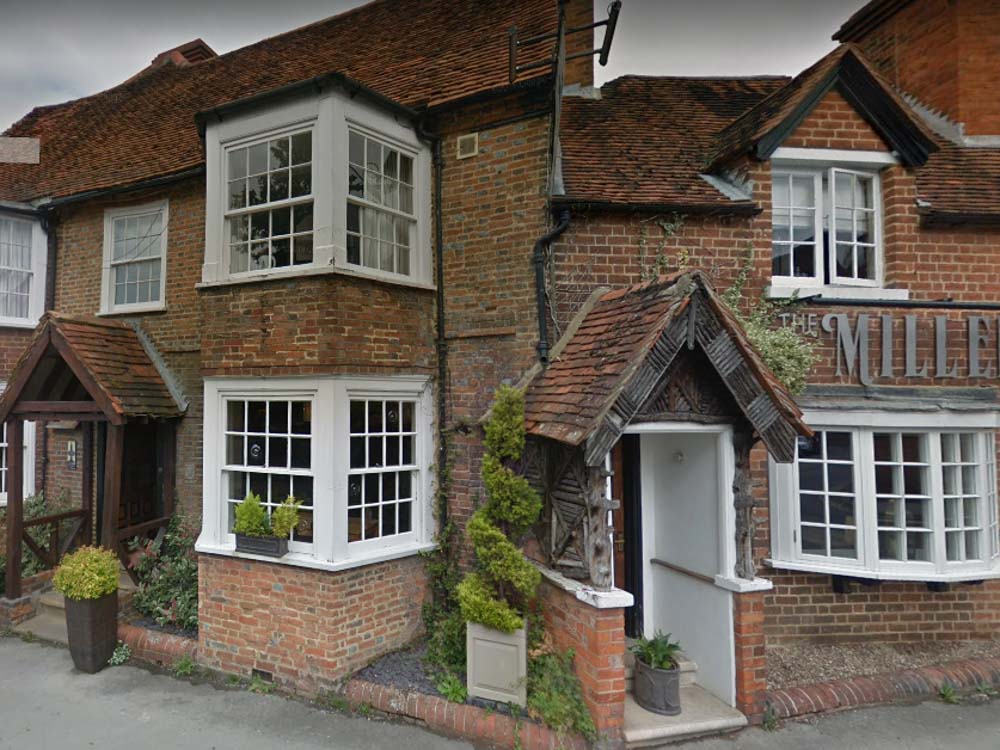
There are few places as pretty as Goring and Streatley and it’s therefore a perfect place to stop. Goring is on the left bank and Streatley on the right – although they seem to get along together fine. There are plenty of shops, pubs and restaurants for you to unwind. You will be staying at the Miller of Mansfield in the heart of the village, renowned for its quirky bedrooms.
After you’ve had a rest, take a short walk and admire the weir and the mill. Mill Cottage is world famous as it was owned by George Michael and is where he died. He’s not the only musician to have lived here: Pete Townshend of The Who had a recording studio here. In fact, you passed the cottage at Cleeve Lock where he wrote Quadrophenia.
And, as there are two villages, that means two chuches to visit: St Thomas of Canterbury and St Mary’s.
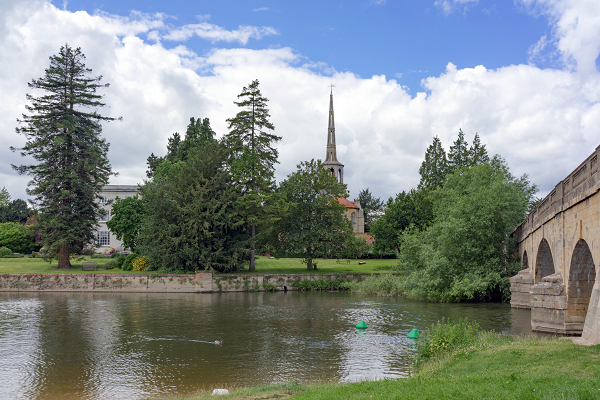


Goring to Reading 14.5 miles
The day starts with one of the prettiest sections of the Thames as you briefly climb 100 feet out of the woods into the Chiltern hills and look across the “Goring Gap” to the Berkshire Downs. You will catch a glimpse of Basildon Park opposite, a Palladian style mansion that gave its name to the writing paper.
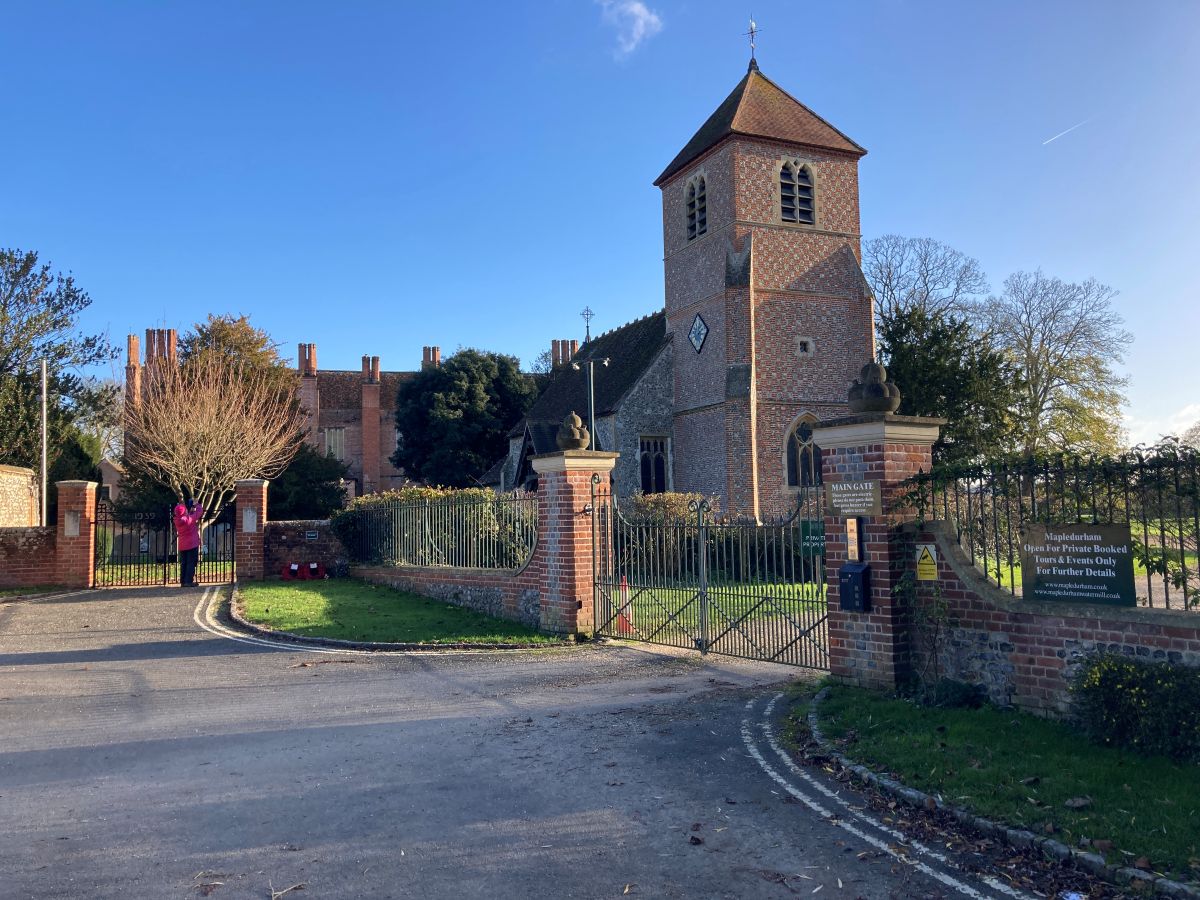
A steep descent takes you across a tollbridge into Kenneth Grahame’s Pangbourne. You are now in “Wind in the Willows” country and you will see Hardwick and Mapledurham Houses across the river, both contenders for Toad Hall.
At Mapledurham Lock you leave the Thames and walk through Purley on Thames to St Mary Magdelan in Tilehurst. After a brief walk through McIlroy Park you rejoin the river for your final riverside walk into Reading.
An opportunity to save around 2 miles is to skip Pangbourne and follow the “alternate route” along the opposite bank of the Thames which takes you directly to Caversham Bridge. This is arguably a nicer walk and you will be able to visit St Margaret’s at Mapledurham.
Once in Reading there are a number of churches to visit including Our Lady and St Anne in Caversham on the opposite side of the river. Skipping that and walking directly to the St James, the official end, will save you around 1.5 miles.
Reading is the first sizeable town since Oxford. In fact, it is the largest town in England. Despite its modern appearance it is of historical significance. Reading Abbey was founded in 1121 and it is believed Henry I, son of William the Conqueror, rests here. Reading is famous for its 3 B’s: biscuits, bulbs and brewing. Sadly, they have all long gone.
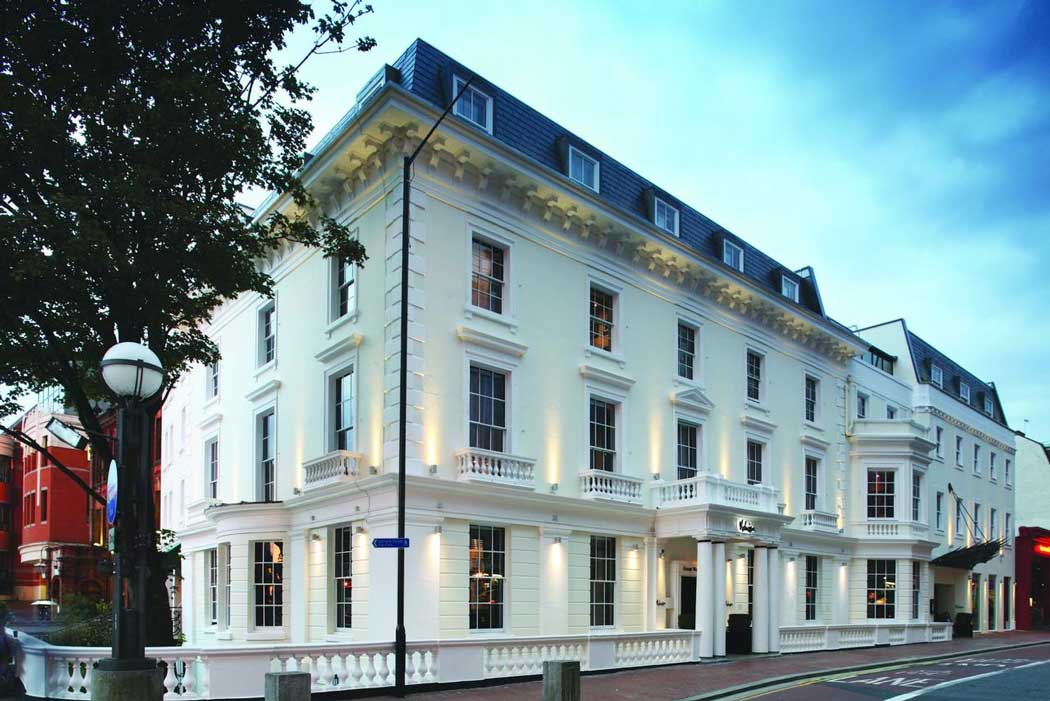
You will stay at Malmaison, the word’s oldest station hotel built in 1844. Aside from being handy for the train station, it’s also close to the town centre where there are plenty shops, bars and restaurants at the Oracle Centre which runs alongside the Kennet and Avon Canal.
The walk ends at St James, next to the Abbey ruins where the hand of St James was once held. The church marks the start of the St James’ Way.

Prices
Prices inclusive of bed and breakfast plus baggage transfer between hotels. A map and guide book is also included. You will have unlimited access to our local team in the event of difficulties.
Price per person assuming shared occupancy: £780
Price per person assuming single occupancy: £1,170
Rest days can be purchased but prices vary depending on category of hotel.
Check Availability
Ready to book?